Consulting
Dr. O’Neill is flexible in her approach and offers both individual consultation and facilitated peer groups for navigating the stress of adverse events, burnout, moral distress, and litigation. Whether consulting individual or groups, she works with clinicians to cultivate compassion, humanity, and self-stewardship.
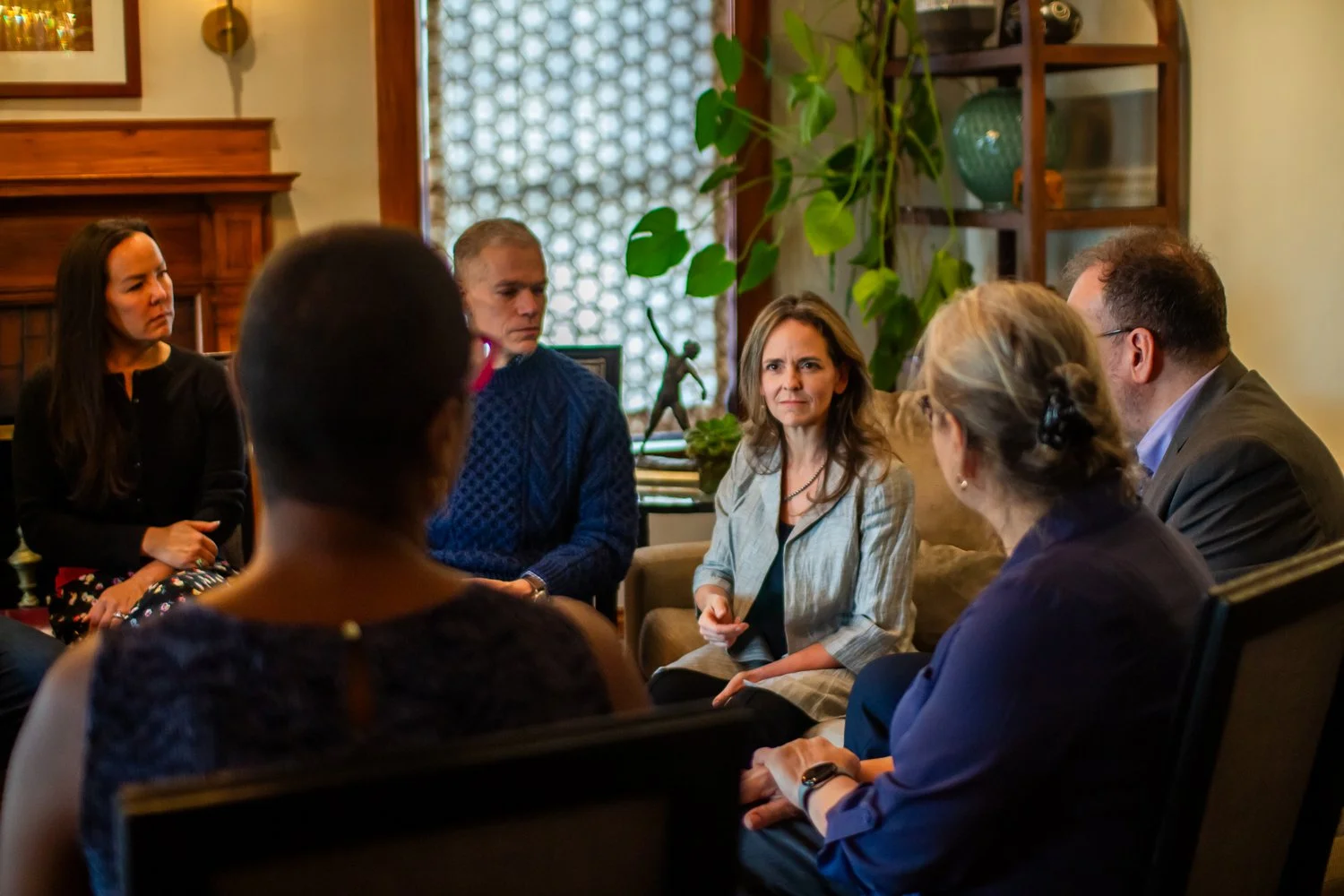
Peer Resource Groups
Being sued for medical malpractice is a stressful experience at best, but more often it’s a professional crisis. Proactive, sustained, supportive response to a defendant’s experience throughout the prolonged process is crucial to their well-being, the continuation of their careers, and the stability of the organizations they work in.
In Dr. O’Neill’s weekly online groups, defendants may process the intense emotional and psychological dimensions of the protracted and taxing litigation experience among a group of peers. Through mindful awareness and the development of “self-stewardship,” Dr. O’Neill encourages participants to know themselves, develop compassionate respect for their resources and limitations, and subsequently choose actions that are wholesome and life-affirming.
As facilitator, Dr. O’Neill has guidelines for groups, including agreements to maintain privacy and confidentiality, not to discuss details of active lawsuits, and to focus on the emotional experience, personal impact, coping, and mutual support.
Mindfulness-Based Groups
Physicians and other healthcare professionals driven by the motivation to alleviate suffering—who have in fact built their careers around it—can be confronted daily by obstacles to acting with compassion.
With these groups, Dr. O’Neill draws from Zen Buddhist teacher and end-of-life pioneer Roshi Joan Halifax’s book Standing at the Edge: Finding Freedom Where Fear and Courage Meet, as well as Dr. Wendy Dainin Lau’s Inner Practice of Medicine.
Participants benefit from meditation and compassion-based practices including G.R.A.C.E., designed by Halifax to train the habits and skills that enable one to serve others without experiencing empathic distress.
Recent research suggests that compassion plays a significant role in reducing physiological stress and promoting physical and emotional well-being. Drawing on neuroscience, social psychology, ethics, and contemplative perspectives, G.R.A.C.E. is a scientifically grounded method that improves patient interactions, develops resilience, and reduces burnout.
Please note: Dr. O’Neill provides consultation, and does not provide legal advice, medical advice, or therapy.